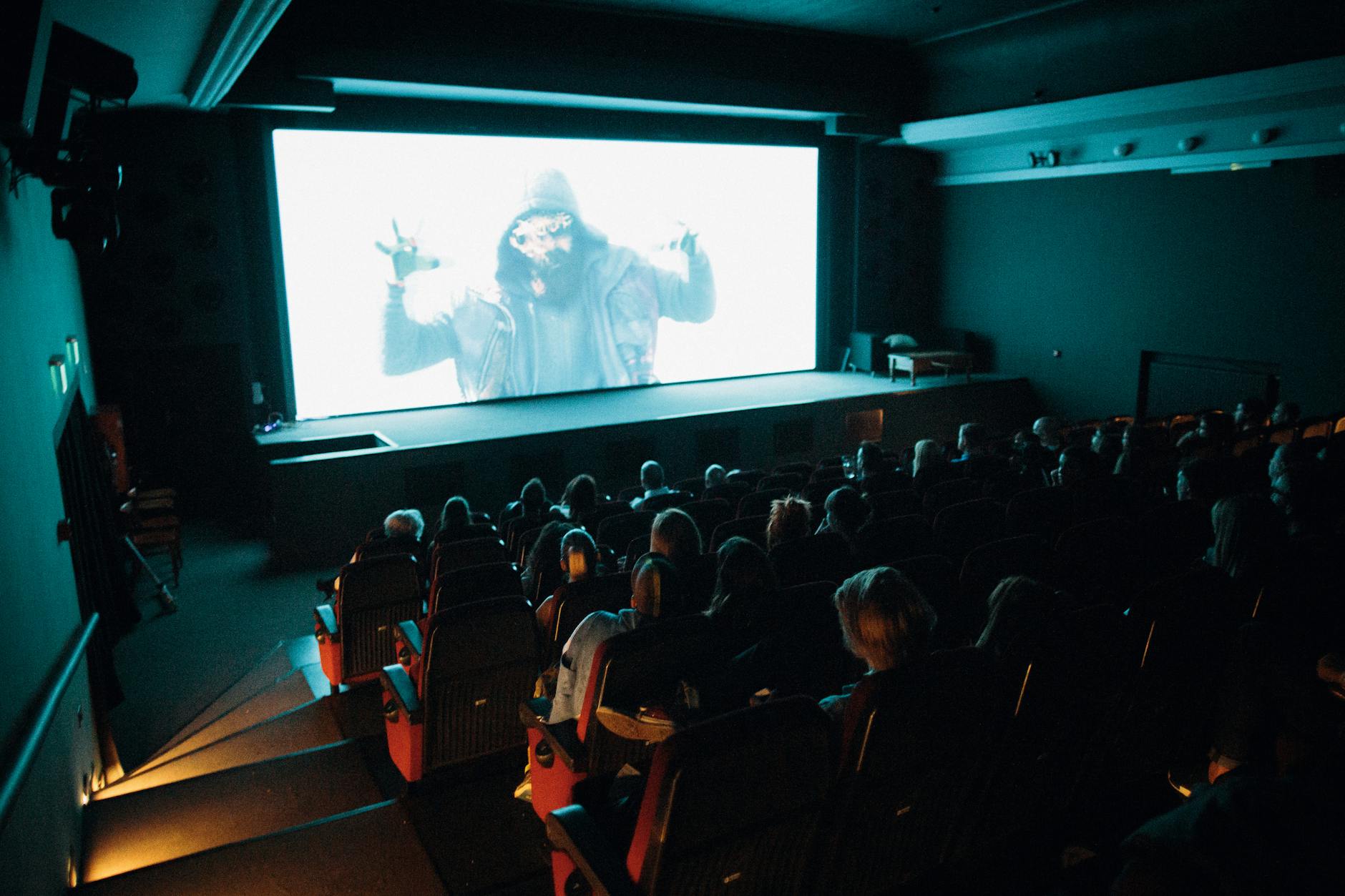
The concept of the “Summer Blockbuster” is so ingrained in our culture that it’s hard to imagine a time when the year’s biggest movies didn’t premiere in June or July. Before the mid-1970s, summer was actually considered a “dumping ground” for films, as studios assumed audiences preferred being outdoors to sitting in a dark theater.
Everything changed in 1975 with Steven Spielberg’s Jaws. By utilizing a “wide release” strategy and heavy television advertising, Jaws became a cultural phenomenon, proving that audiences would flock to the cinema in droves during the heat of the summer. This success was solidified two years later by Star Wars, which turned movie-going into an event-based experience involving merchandise, sequels, and fandom.
Today, the blockbuster has evolved into the “Cinematic Universe.” We’ve moved from standalone spectacles to interconnected webs of storytelling, often dominated by superhero franchises. While the technology has shifted from practical effects to seamless CGI, the core appeal remains the same: a shared, larger-than-life experience that defines the cultural conversation of the season.